Tokyo functions incredibly well for the largest city in the world. It works because it is a city built at a human scale almost throughout – if it were any other way, the result would be the chaos and congestion we see in other car-dominated megacities in China, South East Asia, Africa and South America writ on an even larger scale.
This megacity is different though and offers a myriad of examples that other megacities should look to for inspiration. There is no magic to why Tokyo works, just common urban sense applied at all scales – from its super efficient subway network to quiet backstreets that make walking and cycling a joy.
Let’s start with an overview of the cityscape – other posts will focus on the specific neighbourhoods of Asakusa & Yanaka, Harajuku, Omote-sando, Shinjuku and Shibuya.
The city has a long history as a dense urban environment that has continued through natural and man-made disasters. Azby Brown, an American architect who practises in Japan, has written a fascinating book about the long history of Japan’s efficient and green way of life.
Earthquake, fire, war and demolition may have destroyed most of Tokyo’s old buildings, but the street network and urban structure remains largely intact. The streets have a strong hierarchy of broad avenues lined by tall, narrow buildings connecting the city and enclosing quieter back streets of low rise houses, shops and apartment buildings.
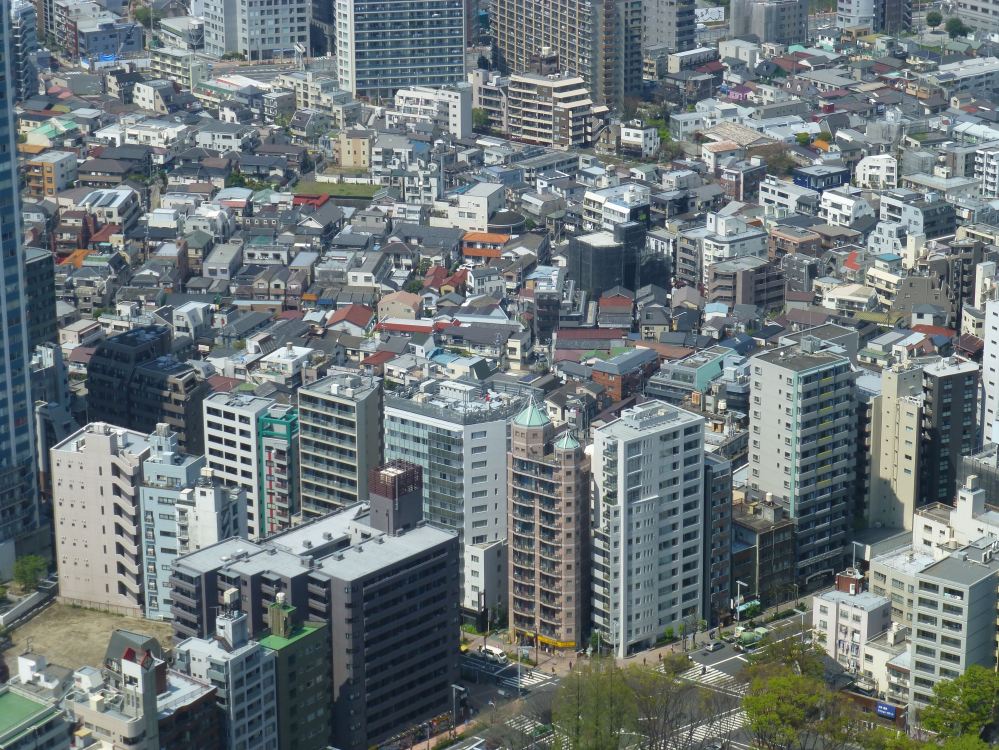
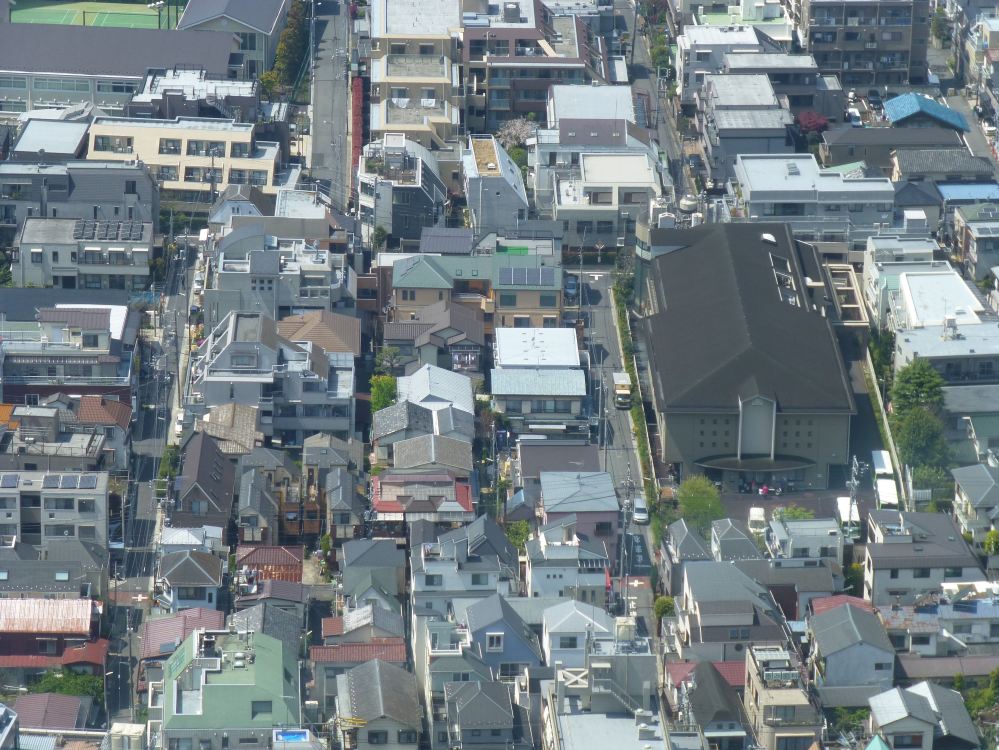
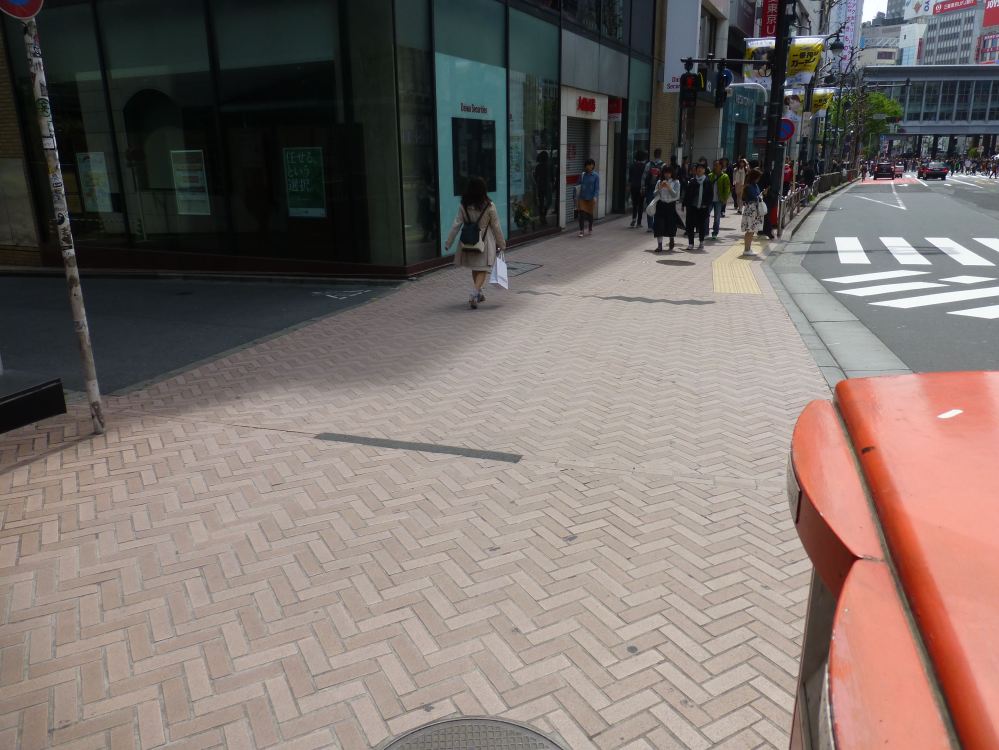
The historically small land parcel size means that even though the city has grown upwards and densified, frontages are generally narrow. This creates a vibrant and interesting streetscape for pedestrians where walking is a delight. The gaping car park entrances and blank walls of other cities are nowhere to be seen – instead there are active frontages, windows full of life and activity, and plenty of opportunity for browsing.
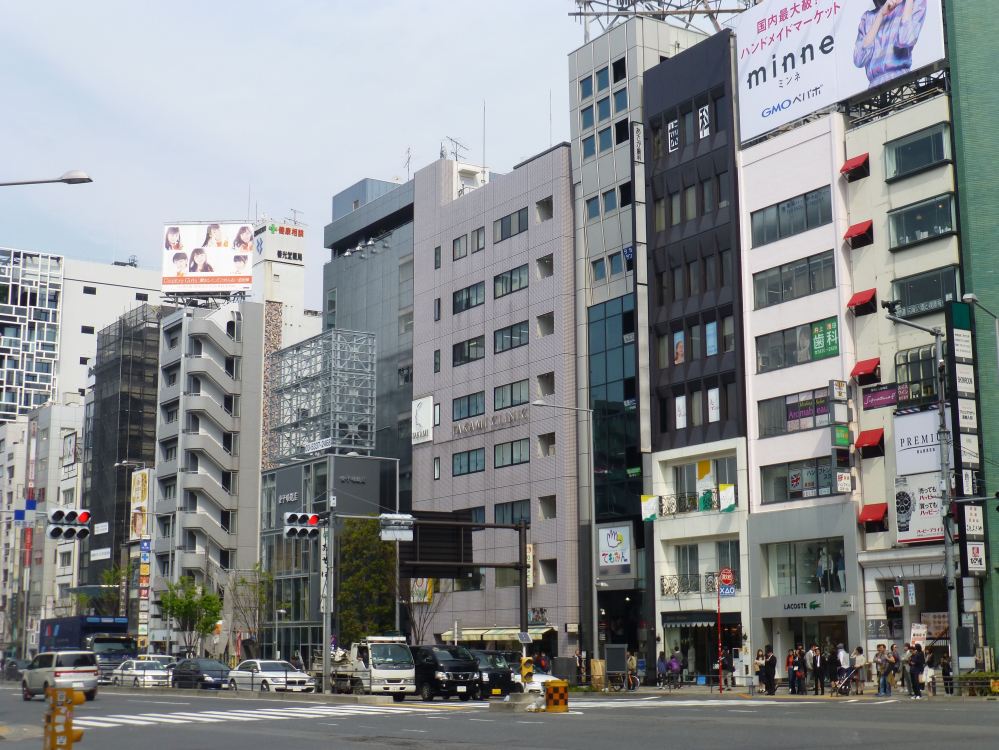
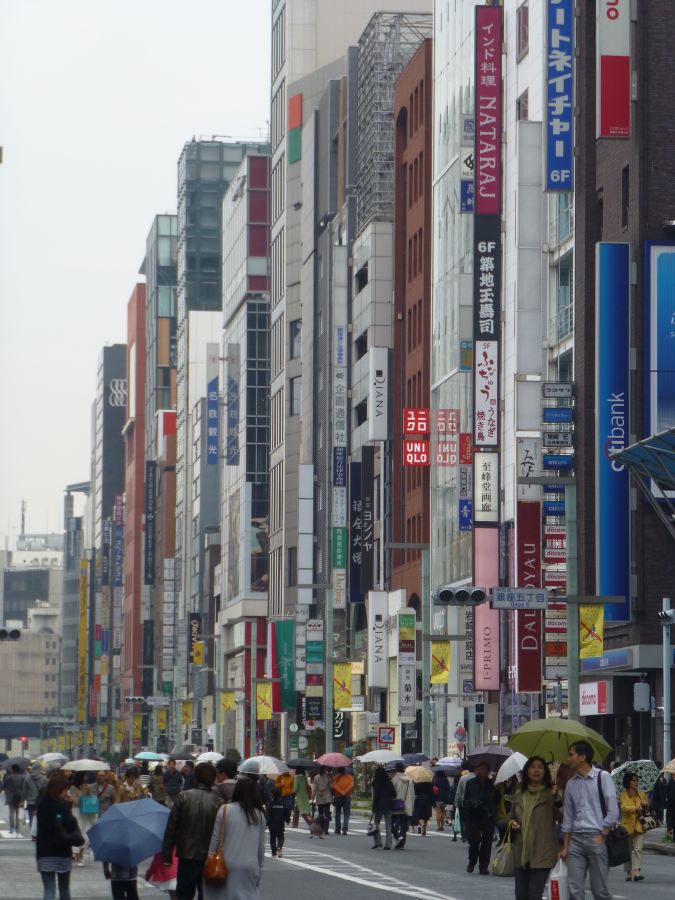
Where there are entrances to side streets or carparks off main streets, they do not break the pedestrian path. The message is clear: cars give way to people.
In the back streets there is no need (and indeed no space) for footpaths as cars drive slowly and give priority to people. These streets are remarkably peaceful and laid-back for such a big city – step a few metres back from Tokyo’s busiest thoroughfares and it’s a different, quieter world that feels more like a small town.
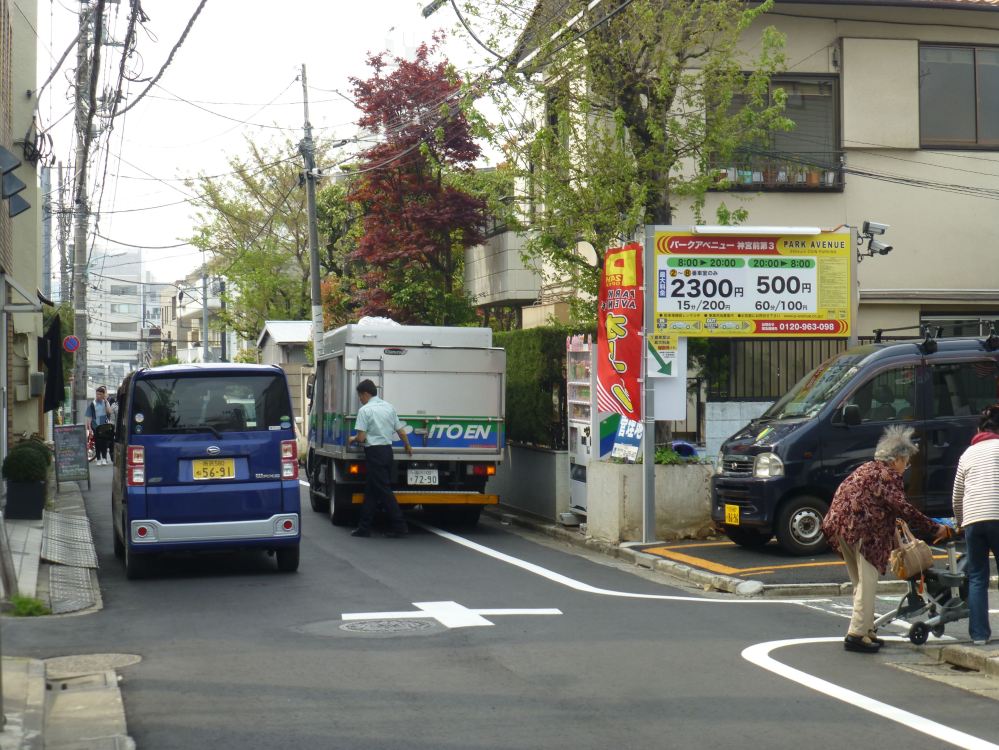
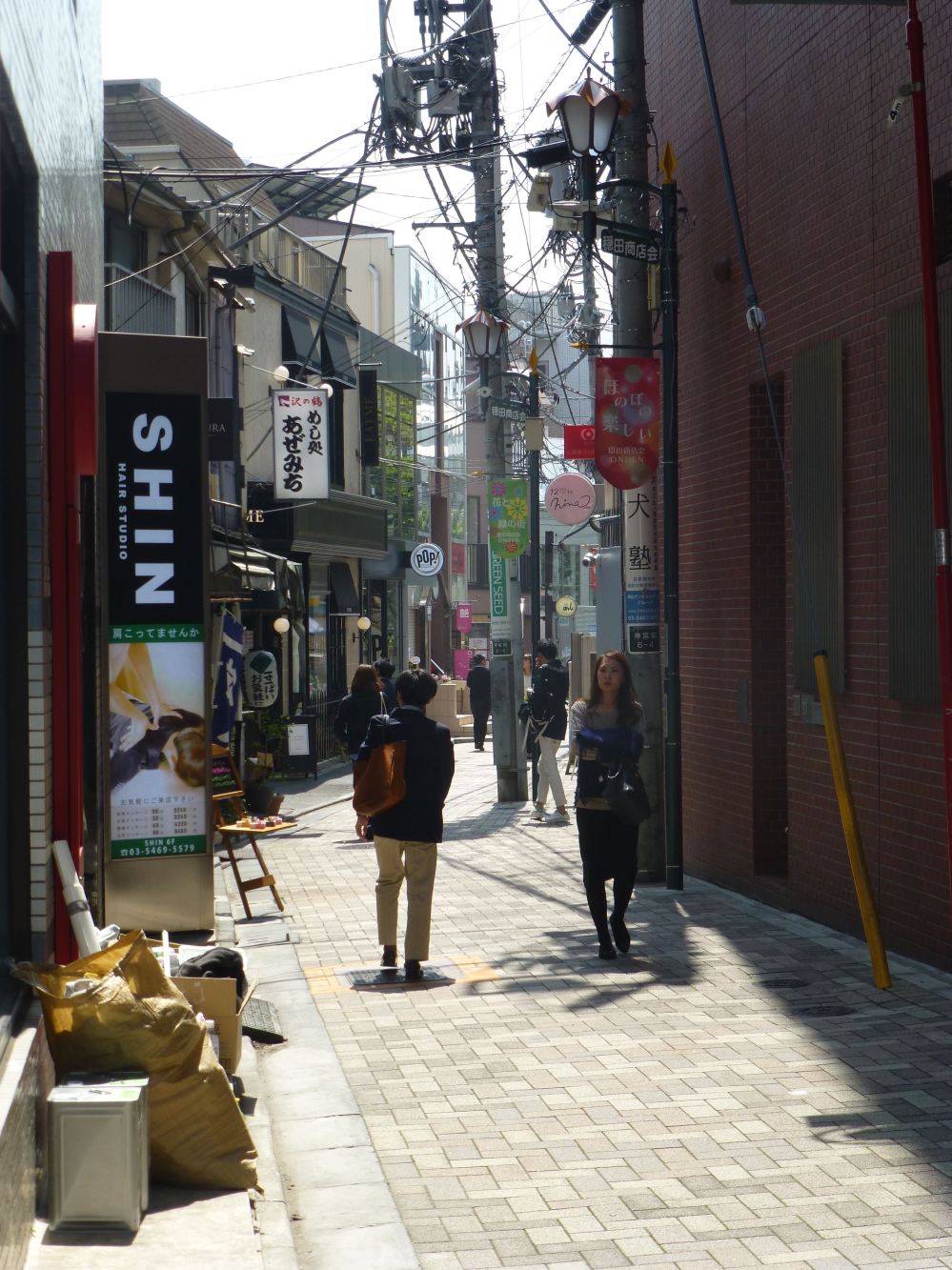
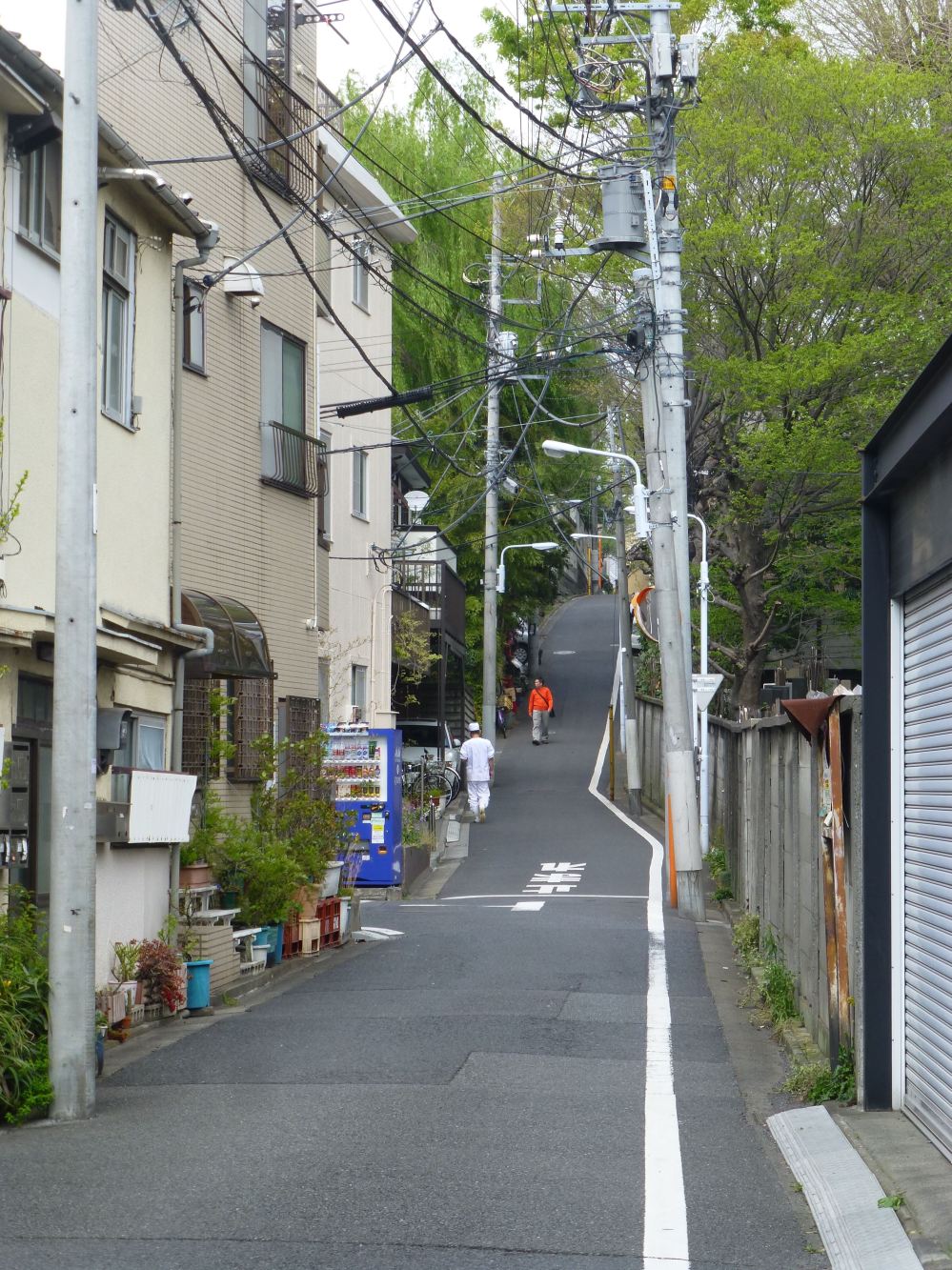
The city has by and large kept its smaller land parcels and street hierarchy, meaning that there is no need to drive to a far-flung shopping mall surrounded by hectares of car parking. Quiet back streets provide a perfect residential environment and space for small-scale shopping and commerce, and the broader avenues and intersections create natural nodes of higher-order commercial and community activity. Where there is a need to go further, Tokyo’s famously efficient train and subway network makes travel relatively quick and easy (outside the peak crush in any case), or otherwise the wide footpaths on the larger roads are safe for cyclists.
Tokyo works because it has always been and will always be a city for people. The streets are not choked with traffic, but full of life.
Other cities can learn a lot from how Tokyo’s cityscape puts people front and centre. There is an urban common sense that permeates the built form. Developing Asia in particular could incorporate this common sense into the way its cities grow – it is not too late to shift focus from cars to people to create well-functioning metropolises.
 LittleStreets